Dove Embroidery: A Design Review for Craft Fair Success
Let’s talk about the Dove embroidery file, from the perspective of preparing for a busy weekend at a craft fair or handmade market. As an embroidery designer, my first job is to evaluate a design not just for its aesthetic appeal, but for its practical application, production ease, and ultimate selling power. Dove, positioned in the Baptism category, immediately presents itself as a symbolic, elegant, and soft design.
First Impression and Visual Mood
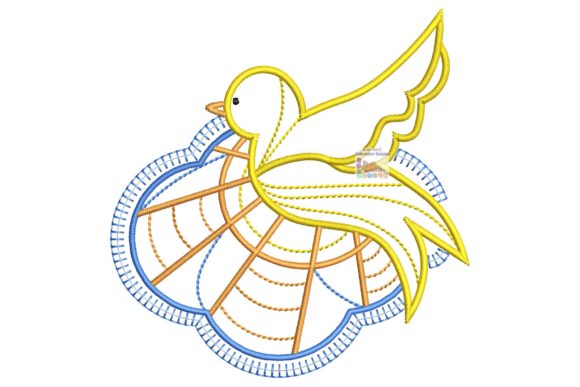
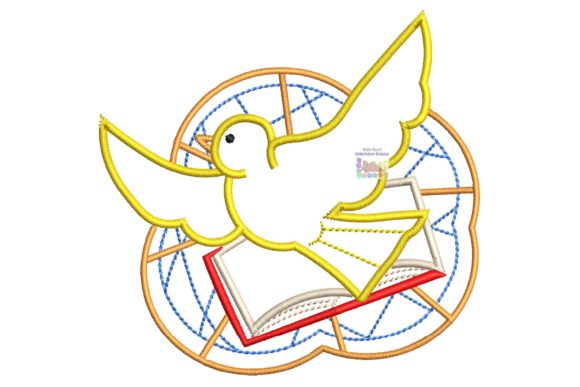
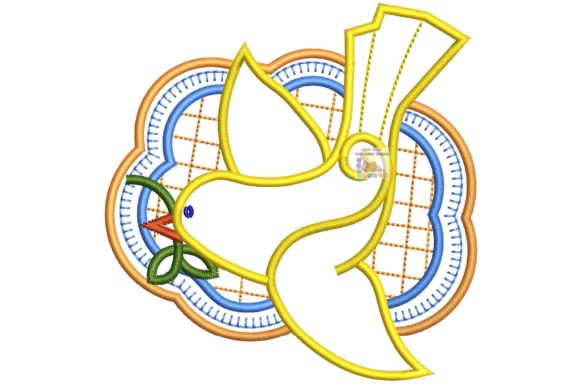
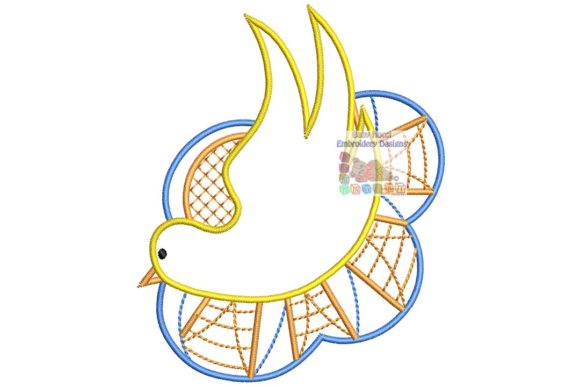
The name Dove alone conjures a sense of peace, purity, and gentleness. This isn’t a bold, graphic statement; it’s a decorative and premium motif. It leans toward elegant and minimal, with likely flowing lines and delicate form. This mood is perfect for creating handmade products that feel giftable and meaningful, rather than merely functional or humorous. In a booth display packed with various items, Dove will stand out through its serene symbolism and classic appeal.
Performance on Key Craft Fair Products
Your booth table is your stage. Let’s evaluate where Dove will shine.
Tote Bags and Market Bags: Dove works beautifully here as a focal point, often placed centrally. On a natural canvas or linen bag, it elevates the product from simple utility to a thoughtful, premium accessory. It photographs exceptionally well for your Etsy listings or printable mockups against these textures.
Aprons and Tea Towels: For kitchen textiles, Dove offers a softer alternative to typical rustic or farmhouse motifs. On an apron, consider placing it on the chest pocket or along the hem. On a tea towel, it creates a lovely decorative corner accent, perfect for a Baptism or general gift. The design’s elegance increases the perceived value of these everyday items.
Pillow Covers and Fabric Pouches: These are high-value handmade gifts. Dove as a central design on a pillow cover speaks to a calming, home-decor aesthetic. On a small pouch, it becomes a delicate, personal touch. Both are strong candidates for batch production, as the design likely repeats well with consistent results.
Caps and Patches: Proceed with careful consideration. Embroidered patches featuring Dove are fantastic—they can be sold separately or applied to various items. However, stitching Dove directly onto a curved cap surface requires testing. Small details or intricate outlines might lose clarity on such a textured, curved base. Always test on scrap fabric first.
Practical Selling and Production Points
This is where your business sense meets the embroidery machine.
Customer Understanding at a Glance: Dove is instantly recognizable and emotionally resonant. At a craft fair, customers scanning your booth will grasp its meaning quickly, which is a huge advantage for engagement. It doesn’t require explanation; it invites connection.
Scale and Focus: This design likely works as both a medium-sized focal point and a smaller accent. Test the embroidery file at different sizes to see its limits. Tiny, dense stitch areas may become muddy when minimized, especially on textured towels or dark fabric. For bold contrast on dark fabrics, ensure you use light thread colors and the correct stabilizer.
Photography for Online Sales: For your Etsy shop or digital storefront, Dove is a winner. Its clean, symbolic nature looks professional in product photos. Create at least one real physical mockup—a tote bag or pillow cover—to photograph in natural light. This showcases the handmade quality far better than a digital render alone.
Batch Production and Consistency: For repeatability in creating multiple craft fair products, Dove appears to be a solid choice. Designs with clear, flowing lines typically stitch out reliably. However, inspect the stitch density in your embroidery file preview. Very dense areas can lead to puckering on lighter fabrics like t-shirts, requiring careful stabilizer selection. Review the recommended hoop size to plan your production efficiently.
Critical Careful-Use Notes for the Embroidery Designer
Before you stitch anything for sale, do your due diligence.
- Always test on scrap fabric that matches your final product material—be it towel terry cloth, smooth cotton, or thick sweatshirt fleece.
- Check thread contrast. A white or light grey Dove on a white towel might vanish. Adjust colors for maximum visual appeal on each product type.
- Review spacing and tiny details. If the design includes fine outlines or small lettering (like a subtle “Baptism” text), ensure it remains legible at your intended hoop size.
- Confirm commercial licensing. The product description mentions it’s for creating projects, but you must verify that your digital embroidery file license permits sale of the finished products commercially. Do not assume.
- Compare fabric colors. Dove will feel different on a cream linen versus a bright white poplin. Make samples to see which combination feels most premium and aligns with your brand consistency.
Final Impact on Your Booth and Business
Integrating Dove into your product line strengthens your booth’s display by adding a layer of emotional depth. It appeals to buyers looking for gifts with meaning, for Baptism presents, or simply for items that convey peace and quality. This directly affects buyer engagement—they stop to touch the item, ask about its meaning, and see the craftsmanship.
From a value perspective, an elegantly embroidered Dove on a simple tote bag or apron raises the item from a commodity to a curated, handmade product. It supports a brand built on thoughtful design. For your production flow, its likely repeatability means you can efficiently create a small inventory of varied products—a few towels, a few bags, a few pouches—all with cohesive branding for your table display.
In essence, Dove is a versatile, emotionally powerful embroidery design that, with careful production testing and thoughtful product pairing, can become a quiet star in your craft fair offerings and small shop product lineup. It’s not just a design; it’s an opportunity to connect with customers on a level beyond the purely visual.