Evaluating Christmas Nativity Embroidery File for Branded Merchandise
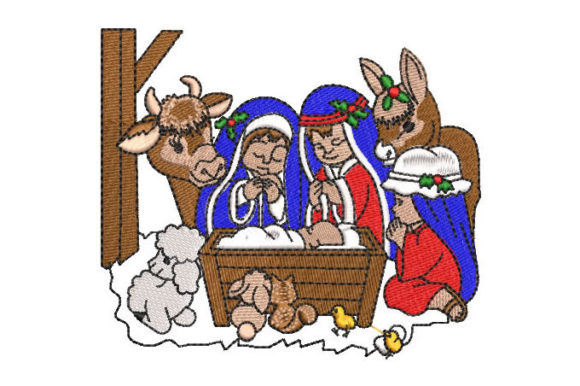
As a professional embroidery designer who works primarily with small businesses, my first task with any new design file is to assess its potential not just as art, but as a functional brand asset. When reviewing the Christmas Nativity Embroidery File, my immediate impression is one of a classic, illustrative style. The title suggests a religious scene, which inherently carries a sense of tradition, warmth, and narrative. For a business, this points toward a design that feels handmade, heartfelt, and potentially premium rather than purely decorative or mass-market. It’s a design that speaks to values and storytelling, which is a powerful tool for brand identity.
The Visual Personality and Business Fit
The described "illustration or depiction" style suggests this machine embroidery design likely has layered details and shading. For a small café, boutique, or creative studio wanting holiday merchandise, this can project a friendly, rustic, or elegant personality depending on application. A florist could use it on an apron for a festive, personal touch. A bakery might add it to a tote bag as a special customer gift. The key is that the design’s inherent classicism lends customer trust and recognition; it feels intentional and crafted, which elevates the perceived value of the finished product.
Performance in Real-World Business Applications
Let’s translate that first impression into practical use. The Christmas Nativity Embroidery File has several promising applications for small business merch.
- Embroidered Patches: This is a prime use. A standalone patch can be applied to denim jackets, backpack straps, or product packaging as an accent. For an Etsy seller or craft business, a well-made patch using this design becomes a sellable item itself.
- Staff Uniforms & Aprons: As a chest logo or sleeve detail on holiday-season uniforms, it creates visual consistency and a festive team identity. On an apron, it turns a functional item into branded merchandise.
- Cap Embroidery: Applying it to the front of a cap can be effective, but requires careful evaluation of the design’s size and detail density.
- Tote Bag Design: A larger application on a canvas tote makes for a statement piece that reinforces a handmade product ethos.
- Product Labels & Packaging Accents: Smaller versions could serve as a branded seal on holiday product tags or wrapping, enhancing professionalism and buyer engagement.
Critical Considerations for Successful Execution
Not every design file translates perfectly to every substrate. Here’s where a designer’s review becomes crucial for business success.
- Small Patch Sizes: If the design is intended for a small, intricate patch (under 3 inches), the illustrative details must be tested. Tiny lettering or overly detailed outlines can become muddy or lost.
- Curved Surfaces & Cap Fronts: The design must have clear, bold elements that can withstand the curvature of a cap without distortion. High stitch density in small areas on caps can cause puckering.
- Dark Uniforms & Fabric Texture: On dark fabrics, thread color contrast is paramount. The design’s palette must be evaluated for visibility. Textured fabrics like fleece or certain twills require appropriate stabilizer to maintain detail.
- Items for Frequent Washing: For work shirts or aprons, the design’s integrity after washing is key. Clean outlines and secure satin stitches (if present) will fare better.
Integrating the Design into Your Brand Assets
Using the Christmas Nativity Embroidery File isn’t just about making one item. It’s about how it fits into your broader visual identity. Does it complement your existing logo or other holiday design assets? A professional step is to create a printable mockup—placing the embroidered design on a photo of your actual apron or bag—to see it in context. This helps assess visual consistency. Furthermore, for commercial use, it is essential to confirm the digital embroidery file comes with a license that permits commercial embroidery on products you sell. Always verify this before production.
Essential Designer Notes Before You Hoop
Before running this file for any custom apparel or merchandise project, I follow a standard checklist.
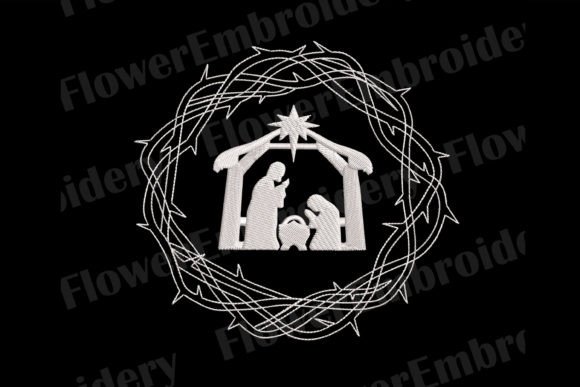
- Test in Black and White First: Stitch a sample using only black thread on white fabric and white on black. This reveals the pure structure of the design, exposing any weak outlines or spacing issues without color distraction.
- Check the Smallest Practical Size: Hoop it at the size you intend for a small patch (e.g., 2.5 inches). Does the scene remain recognizable and clean?
- Review Thread Color Contrast: Based on your target fabric, plan a thread palette that ensures high contrast and legibility.
- Confirm Hoop Size & Stabilizer:The product description should specify compatible hoop size. If not, you must test. Match the stabilizer to your fabric—no detail survives poor stabilization.
- Test on Real Fabric: Never rely solely on software previews. Stitch a sample on the exact fabric (or a close analog) of your final product—be it canvas, cotton twill, or polyester blend.
- Compare Beside Other Assets: Place the stitched sample next to your other branding elements. Does it feel cohesive?
Ultimately, the Christmas Nativity Embroidery File presents a meaningful opportunity for businesses seeking to add a classic, value-driven touch to their holiday offerings. Its illustrative nature suggests it can elevate product value and craft presentation when executed with technical care. By treating it as a serious brand identity component—testing thoroughly, considering application limits, and ensuring proper licensing—you transform a digital file into a tangible asset that resonates with customers and strengthens your brand’s story.