Jesus Christ Embroidery for Church & Business Merch
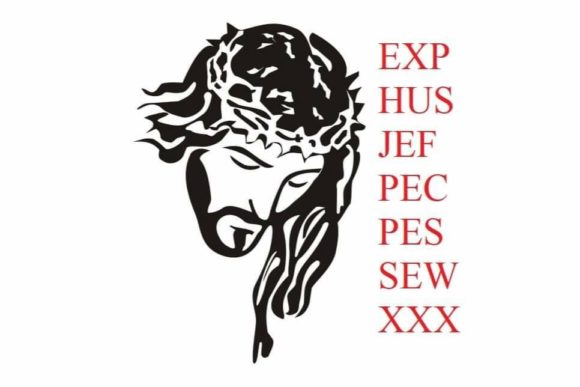
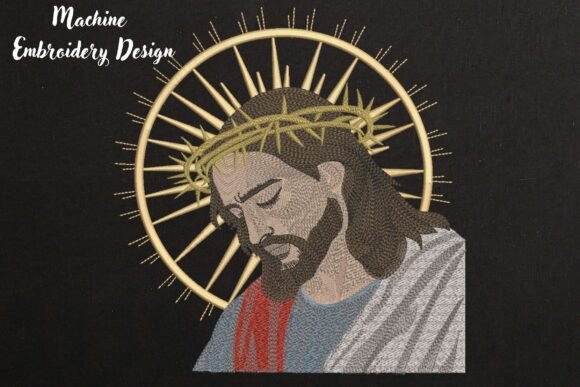
As an embroidery designer reviewing artwork for branded merchandise, my first encounter with Jesus Christ for Churches on Black sets a distinct tone. The design presents as profoundly classic and reverent. It carries an immediate weight of tradition and solemn beauty, which is both a powerful advantage and a specific consideration for commercial use. The central figure, crowned with thorns and radiating light, is inherently detailed and symbolic. For a small business operating within or catering to the Religion Faith community, this embroidery file is not merely decorative; it's a statement piece that can anchor a product line or elevate a brand's identity.
Visual Personality and Brand Alignment
The design feels premium, dignified, and deeply symbolic. Its aesthetic leans toward the elegant and timeless rather than playful or rustic. This matters immensely when considering its application on merchandise. For a faith-based café, boutique, studio, or nonprofit, using this design on an apron, tote bag, or uniform immediately communicates a core value and builds customer trust through visual recognition. It signals a seriousness of purpose. However, for a general small business outside this niche, its application would require careful alignment with the company's mission to avoid dissonance. The black background described enhances contrast, making the divine light elements potentially striking, which is excellent for visibility on merchandise.
Evaluating Performance for Small Business Merchandise
Let’s translate this digital embroidery file into real-world products. Imagine a local bakery that also hosts community prayer groups. Jesus Christ for Churches on Black could become a subtle chest logo on staff polo shirts, transforming a uniform into a meaningful identifier. For a handmade shop selling Christian home decor, this design embroidered on a simple tote bag becomes a premium, branded customer gift that extends the shop's aesthetic.
Here are key applications I would recommend testing:
- Embroidered Patches: This is a prime use case. A patch allows for flexibility—it can be applied to caps, backpacks, or jean jackets. The detailed outlines and light rays need careful evaluation at small patch sizes.
- Cap Embroidery: The curved surface of a cap front presents a challenge for detailed designs. A simplified or slightly scaled version might be necessary to maintain clarity.
- Tote Bag Design: As a central mark on a canvas tote, the design can create a high-value, handmade product feel, ideal for Etsy sellers or boutique merchandise.
- Apron Embroidery: For a café or event space, an apron featuring this design becomes part of the staff’s visual identity, though the fabric texture and frequent washing must be considered.
- Product Packaging Accents: Smaller versions could be embroidered onto fabric tags or labels for prayer shawls, journals, or other goods, acting as a seal of craftsmanship and intent.
Critical Considerations for Production Success
The beauty of a detailed machine embroidery design like this must be matched by technical pragmatism. Before running any production for client merchandise, a designer must conduct thorough tests.
- Test at Small Scale First: Always stitch out the design, particularly Jesus Christ for Churches on Black, at the intended small patch size (like for a cap front or label) to see if the crown of thorns and radiating light details remain clean and unbroken.
- Review Thread Color Contrast: The described black background is crucial. On actual black uniforms or bags, you may need to adjust thread colors for the "divine light" elements to ensure they pop, perhaps using metallics or very light shades.
- Inspect Stitch Density and Fabric: High stitch density in detailed areas can cause puckering on lightweight fabrics. Use the correct stabilizer and test on the real fabric you'll use for the final product—whether it's a work shirt twill or a canvas tote.
- Create a Printable Mockup: Before committing to bulk commercial embroidery, generate a mockup for client approval. Place the design on images of caps, aprons, and tote bags to visualize the final branded product.
- Confirm Commercial Licensing: This is paramount. Before using any embroidery file for business merchandise, verify the license terms explicitly allow for commercial embroidery projects. Do not assume.
Where This Design Requires Extra Care
Certain applications demand a designer’s cautious eye. The intricate nature of Jesus Christ for Churches on Black means it might not be suitable for every scenario.
- Very Small Patch Sizes: Tiny lettering or minute details can get lost or become a muddy blob of thread.
- High-Wear, Frequently Washed Items: Staff uniforms or kitchen aprons that undergo daily washing need robust stitching; overly dense areas might wear faster.
- Textured or Dark Uniform Fabrics: On heavily textured or very dark fabrics, the light rays might require thread color adjustments to maintain visibility.
- Curved Surfaces Like Caps: As mentioned, distortion on curves can compromise the design's solemn symmetry.
Impact on Brand Identity and Product Value
For the right small business, integrating this embroidery into their merchandise is a strategic decision. It directly affects brand identity, anchoring it in faith and tradition. This builds profound customer recognition and trust within that community. On a practical level, a beautifully embroidered product featuring this design feels handmade and premium, increasing perceived product value. A tote bag with this central mark is no longer just a bag; it's a meaningful artifact. For an Etsy seller or craft business, it provides a powerful, consistent design asset that can be used across a product line—from church banners to prayer shawls to home decor—creating visual consistency that strengthens buyer engagement.
In final review, Jesus Christ for Churches on Black is a specialized but potent embroidery file. Its business use is not about decoration only; it’s about embedding a symbol into the very fabric of a brand’s offerings. My designer notes always conclude with this: test it, mock it up, check the license, and ensure its technical execution honors its visual weight. When done right, it can transform simple merchandise into cherished, identity-defining products for your business and your customers.