Jesus Face Machine Embroidery Design Review
As an embroidery designer who works with small businesses, I evaluate every machine embroidery file not just for its beauty, but for its function. When a design is destined for branded merchandise, patches, or custom apparel, it must perform. Today, I’m reviewing the Jesus Face Machine Embroidery design from that crucial commercial perspective.
First Impression: A Design Balancing Modern Elegance and Timeless Spirit
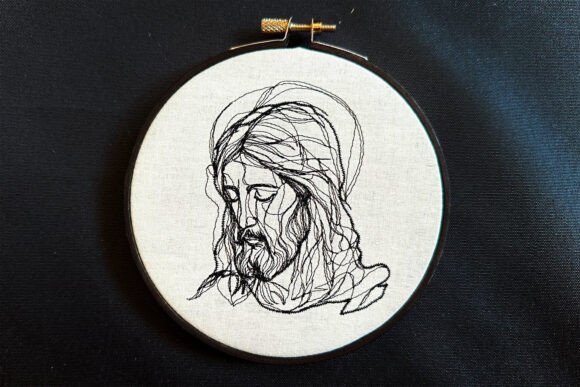
The title Jesus Face Machine Embroidery describes its technique well: a one-line artwork. The description notes a downward gaze evoking inspiration and humility. This immediately signals a design with a specific emotional tone—contemplative, serene, and reverent. For a business, this translates into a visual personality that is elegant, classic, and deeply meaningful. It feels premium and handmade, not overly decorative or playful. The single-line execution suggests a modern, minimalist aesthetic that can work across various brand styles, from rustic boutique to serene creative studio.
Real-World Business Applications for Your Merchandise
This embroidery file offers a versatile asset for many small business needs. Its core appeal—a recognizable, respectfully rendered subject—makes it suitable for branded elements where trust and identity are key.
- Embroidered Patches: This is a prime candidate. As a chest logo accent on staff uniforms, a sleeve detail for a café or bakery team, or a standalone patch for customer gifts, it can convey brand values. The one-line style should result in clean outlines, important for patch edges.
- Staff Uniforms & Aprons: For a florist, boutique, or pet brand with a gentle, caring identity, adding this to an apron or work shirt as a subtle mark can reinforce a brand’s compassionate ethos.
- Cap Embroidery: Given its likely symmetrical focus, it could be effective on cap fronts, provided the size is appropriate for the curved surface.
- Tote Bag Design & Product Packaging: As a branded mark on reusable tote bags or as a small accent on product packaging, it adds a handmade, thoughtful touch that elevates perceived product value.
- Event Merch & Customer Engagement: For Easter-themed events or as a year-round symbol for faith-based businesses, this design on merchandise creates a direct, visual connection with the community.
- Etsy Branding & Craft Business Assets: For sellers in the handmade product space, using this on your own branded apparel or as a printable mockup element for your shop can enhance visual consistency and professionalism.
Considerations for Professional Execution
Successful commercial embroidery relies on foresight. Before running this design on production items, a designer must address several practical points.
- Scale and Placement: Test the embroidery file at the intended patch size. A one-line design may have intricate details that need sufficient space to read clearly. Avoid scaling it down too small for cap fronts or tiny product labels.
- Stitch Density and Fabric: The description doesn’t specify stitch count, so it’s essential to test on real fabric. High stitch density on lightweight fabrics can cause puckering; using proper stabilizer is non-negotiable. Test on the actual fabric your business uses—whether it’s canvas for tote bags, twill for patches, or polyester for uniforms.
- Thread Color Contrast: The emotional impact relies on clarity. Review thread color contrast against your background material. On dark uniforms or aprons, you may need a bold, light thread palette to ensure the design stands out for brand recognition.
- Hoop Size and Stabilizer: Confirm the required hoop size from the file details. A stable, well-hooped test is the first step to a professional finished product.
- Commercial Licensing: Before any business use, verify the digital embroidery file comes with a commercial license. This is a critical step for apparel decorators and merch creators.
Where This Design Requires Extra Care
Even versatile designs have limits. For Jesus Face Machine Embroidery, certain applications need a designer’s careful review.
- Very Small Patch Sizes: If the business needs a tiny patch (under 2 inches), the detail of the face and expression might become lost. A test stitch is mandatory.
- Curved or Textured Surfaces: Embroidering on cap fronts or heavily textured fabrics can distort a design with fine lines. Adjusting stabilization or even modifying the design size might be necessary.
- Items for Frequent Washing: For staff uniforms or aprons that undergo heavy use, the integrity of the stitches over time is key. A robust stitch structure, confirmed through testing, will ensure longevity.
- Visual Consistency with Other Assets: If this is part of a broader brand identity, create a mockup to see it beside your other logo elements. Does it complement them, or compete? Client approval at this stage prevents misalignment.
Impact on Brand Identity and Customer Perception
Choosing an embroidery design like this for your small business merch is a brand decision. Its impact goes beyond decoration.
It can enhance customer trust by aligning your visual presentation with values of inspiration and humility, especially for businesses in communities where such symbolism resonates. It adds a layer of professionalism through a well-executed, custom embroidered mark, increasing the perceived value of your apparel or handmade product. For a local café or creative studio, it fosters buyer engagement by creating a memorable, meaningful brand touchpoint on a tote bag or apron.
However, consistency is vital. Using it haphazardly across unrelated products can dilute its effect. It should feel like a deliberate part of your brand story, whether for Easter promotions or as a core, year-round symbol.
Final Designer Notes for Your Project
My process for integrating such a design into a client’s commercial embroidery project always starts with a foundation test. Test this Jesus Face Machine Embroidery design in black and white first on a scrap of your target fabric. This reveals the core structure without color influencing your judgment. Inspect the spacing of the lines, the overall balance, and how it reads at a distance.
Then, proceed to a full-color test on the actual item—a cap, a patch swatch, a section of tote bag material. This practical step is what separates a hobby project from a business-ready asset. It allows you to confirm thread colors, assess the final look, and create an accurate printable mockup for client approval or your own shop listings.
In conclusion, the Jesus Face Machine Embroidery design presents a compelling option for businesses seeking to add a serene, classic, and meaningful element to their merchandise. Its one-line style offers modern elegance, but its true value is unlocked only through meticulous, professional testing and strategic application aligned with your brand identity.