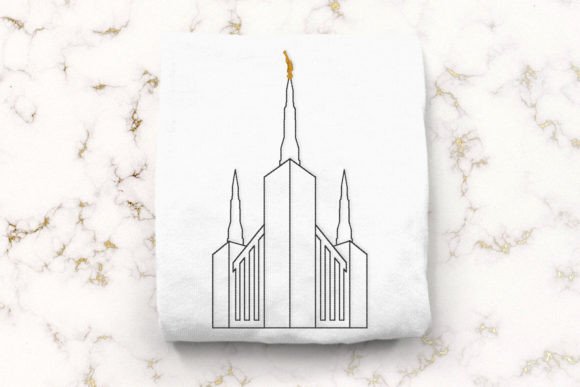
LDS Portland Temple Linework Embroidery Design Review
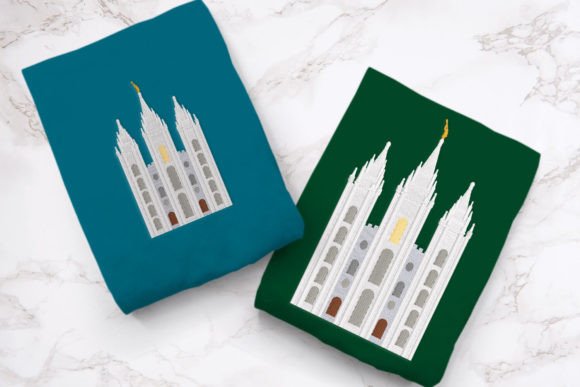
When a boutique embroidery project lands on my desk, the first thing I do is look beyond the file itself. I imagine it stitched out, living on a garment, telling a story. The LDS Portland Oregon Temple Linework design file immediately presents a clear, architectural mood. It’s not a photograph; it’s an interpretation. The linework suggests reverence and precision, while the satin embroidery note for the Moroni statue promises a focal point of texture and light catch. This is a design that carries quiet weight.
The First Stitch: Evaluating Design Personality for Apparel
Opening this embroidery file for a premium sweatshirt collection, my initial impressions center on layout and detail. The temple outline is likely clean and composed, which is excellent for apparel. It won’t feel overly busy or dense on a garment. The single satin stitch element for the statue introduces a calculated contrast—a small area of solid texture against the likely running stitch or fill of the temple structure. This creates a stitching personality that is both minimal and decorative. It feels respectful and strong, not playful or rustic. For a boutique brand targeting a faith-based audience, this balance is key: it’s decorative enough to be a beautiful garment accent, but minimal enough to feel premium and timeless, not like a casual graphic tee.
Sweatshirt Embroidery: From Mockup to Finished Product
Let’s talk application. For a limited sweatshirt drop, this design’s scale is crucial. On an oversized hoodie, a chest placement (left or center) would be classic and impactful. The linework nature means it could also work beautifully as a smaller sleeve accent, maintaining readability if the file allows for clean reduction. On dark fabric like charcoal or navy, using a bright white or metallic thread for the temple and a gold or brass-toned thread for the Moroni satin stitch would create stunning contrast. On neutral sweatshirts like cream or oatmeal, softer thread colors could yield a gentle, almost etched appearance. For pastel colors—a light blush or mint hoodie—the design would take on a softer, more feminine and delicate feel, depending entirely on your thread choice.
This versatility makes it a powerful asset for lifestyle product photography and Etsy listings. You can create multiple printable mockups from one digital embroidery file to show how it adapts to different contexts. A back design on a cozy crewneck sweatshirt could become a statement piece for your boutique merchandise, especially for seasonal apparel like autumn layers.
Practical Concerns for Commercial Embroidery Use
Moving from concept to machine, several practical designer concerns arise with any embroidery file intended for commercial apparel use.
- Thread Color Contrast: This design hinges on contrast. The linework must be crisp against the fabric. Testing thread colors on your actual sweatshirt material—be it fleece, French terry, or a heavier weight—is non-negotiable.
- Stitch Density & Fabric Thickness: Sweatshirts are thick. The stitch density in this file needs to be robust enough to anchor well without puckering the fabric. The satin stitch section for the statue will have higher density; ensuring it’s not overly dense for the fabric is critical for a smooth finish.
- Stabilizer Choice: A firm, cut-away stabilizer is my recommendation for sweatshirt embroidery to support the design’s integrity, especially on the stretchier areas of a hoodie.
- Small-Size Readability & Hoop Placement: If scaling down for a sleeve or smaller garment, test a stitch-out. Linework can lose definition if stitches become too tight. Confirm the minimum hoop size the design requires and plan your hoop placement on the garment to avoid seams and zippers.
- Washing Durability: A well-digitized file with proper underlay and stitch choices should hold up. The satin stitch area is the most vulnerable to wear; ensure it’s not too narrow or delicate.
Overall, the LDS Portland Oregon Temple Linework feels strong enough for commercial apparel use based on its described composition. It appears purpose-built, not overly delicate. However, I always remind fellow Etsy sellers and small shop owners: before production, verify the exact stitch count, available file formats, and any licensing terms associated with the digital embroidery file. These details are the blueprint for a successful, durable handmade product.
Brand Identity and Customer Connection
How does this design affect your boutique brand? In the Religion Faith category, specificity builds trust. This isn’t a generic symbol; it’s a particular temple. That visual recognition deeply engages a specific community, increasing the perceived value of your sweatshirt as more than just apparel—it’s a meaningful artifact. For your brand identity, consistently using clean, respectful designs like this establishes your shop as a source for quality, thoughtful custom apparel.
The finished product, when embroidered with care on quality sweatshirts, presents as premium and intentional. It avoids a mass-produced look. The fabric texture of a soft hoodie paired with the tactile texture of embroidery creates a rich, layered handmade product that customers feel. In your shop, it tells a story of craftsmanship and reverence, which is a powerful combination for customer loyalty and engagement.
Final Thoughts for Creative Entrepreneurs
The LDS Portland Oregon Temple Linework is a compelling embroidery design for a boutique sweatshirt project. It offers a balance of simplicity and symbolic detail that translates well to garment decoration. Its success will be realized in the technical execution: choosing the right fabric, threads, and stabilizer to let its clean lines and textured accent shine. For embroidery shops and creative entrepreneurs looking to offer something with quiet presence and significant meaning, this design asset provides a solid foundation for a beautiful, wearable piece.