Reviewing the ‘Jesus Loves You I’m Trying’ Embroidery Design
When a design file lands on my desktop, my first thought isn’t about specs; it’s about where it belongs. This particular one, ‘Jesus Loves You I’m Trying’, immediately struck me as something different. It’s that rare blend of sincerity and humor that feels genuinely relatable, not forced. The playful confession built into the statement creates an instant mood of warmth and approachable faith. It doesn’t preach; it connects.
The Personality and Practical Project Fit
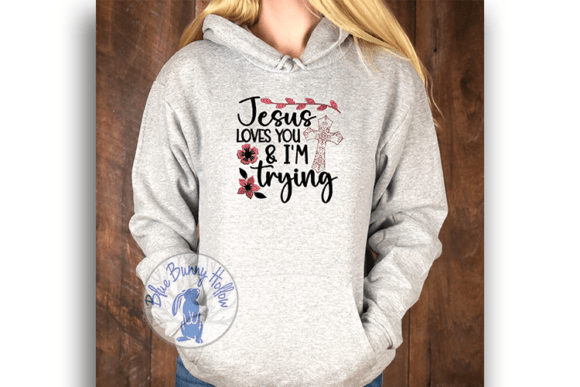
The visual personality here is friendly and light-hearted. The layout and wording suggest a design that would shine best on projects meant for personal connection, not formal display. I immediately pictured it on a cozy, well-washed sweatshirt or a canvas tote bag carried daily. This isn’t a design for a ceremonial banner; it’s for the apron you wear while making dinner, the tea towel in a friend’s kitchen, or the pillow cover in a college student’s dorm. Its natural home is on handmade products and personalized gifts where the message feels like a shared, understanding smile.
For craft business owners and Etsy sellers, this opens doors. Think about a custom embroidered baby onesie for a mom who needs that gentle laugh, or a simple cap for a casual, faith-affirming accessory. As a boutique product, it conveys brand values of honesty and humanity. For holiday gifts or wedding presents from a close friend, it moves beyond generic into something thoughtfully personal.
Performance on Real Products and Fabrics
Moving from concept to hoop, how does ‘Jesus Loves You I’m Trying’ perform? On sturdy, low-texture fabrics like cotton twill for tote bags or mid-weight sweatshirt material, it should stitch out cleanly. The charm lies in its clarity, so preserving that is key. On custom apparel like t-shirts or stretchy fabrics, a good, appropriate stabilizer is non-negotiable to prevent puckering and keep the lettering sharp.
I would be cautious with very small hoop sizes. If the lettering is intricate or has small details, shrinking it too much could compromise the readability and make satin stitches or fill stitches bunch. Similarly, on highly textured fabrics like some blankets or thick nap fabrics, the design’s message might get lost in the weave. Always, always test on scrap fabric first, mimicking the final product’s texture and weight. This step is your best friend for avoiding ruined merchandise.
Where to Use with Extra Care
Dark fabric backgrounds require a deliberate thread color choice for strong contrast. Layered garments with curves, like caps, demand careful placement so the design sits flat and readable on the curved surface. For products destined for frequent washing—baby items, kitchen towels, aprons—ensure your stitch density and stabilizer choices are robust enough to maintain integrity over time. A frayed, faded message loses its impact and can hurt customer trust in your handmade presentation.
Impact on Customer Perception and Value
From a commercial and creative entrepreneur standpoint, this design affects more than just stitch lines. On a finished product, its visual appeal is rooted in its authenticity. That builds customer engagement. It feels professional not because it’s ornate, but because it’s well-executed and conceptually smart. It enhances product value by adding a layer of emotional resonance; it’s not just a decorative motif, it’s a statement people might identify with.
For brand consistency, if your small shop or craft business voice is uplifting and human, this design aligns perfectly. Its giftability is high because it’s specific and relatable. Recognition is instant—the phrase is clear—but the twist makes it memorable. This all contributes to a professional, trustworthy impression in your marketplace, whether that’s at a craft fair or in an Etsy listing.
Essential Designer Notes Before You Stitch
Before loading this embroidery file, make a practical checklist. Review the implied stitch density in the previews; dense areas on light fabrics might need a lighter touch. Inspect any tiny lettering or decorative accents in the design’s ‘I’m Trying’ portion to ensure your machine and thread can handle it crisply.
- Test the design on both light and dark fabric scraps to finalize thread colors.
- Confirm the hoop size you plan to use accommodates the design comfortably.
- Check how it looks in simple black and white mockups for printable mockups or digital product previews.
- Use the right stabilizer for your chosen fabric—this is often the difference between success and a failed project.
- Most critically, confirm the licensing terms for this digital embroidery file. Understand clearly if it’s for personal use only, or if you can incorporate it into commercial embroidery projects and sell the finished products or use it in your craft business merchandise. Never assume.
If details like exact stitch count, specific file formats, or machine compatibility aren’t provided in the ‘Jesus Loves You I’m Trying’ description, reaching out to the designer or distributor for clarification is a wise step. It protects your project and your business.
The Final Verdict for Makers
‘Jesus Loves You I’m Trying’ is a design asset with a strong, specific voice. It’s not for every project, but for the right project—a personalized gift, a boutique’s relaxed faith-based line, a humorous yet heartfelt baby gift—it can be perfect. Its success hinges on your execution: choosing the right fabric product, meticulous setup, and respecting its licensing. Stitched well on a fitting item, it becomes more than an embroidery design; it becomes a conversation starter and a genuine token of creative, thoughtful craftsmanship.